Terms Every Artist Should Know: Infringement, Derivative, and Public Domain
Mahalia Crotz-Kerbs
For every brushstroke, story draft, melody, or design, there’s a legal vocabulary protecting the artist behind it. Unfortunately, many creatives only learn these terms after something’s gone wrong. A work was copied. A design was reused without permission. A character was “inspired by” yours just a little too closely.
Let’s look into the invisible shield of copyright.
Whether you’re new to protecting your work or leveling up your knowledge, understanding a few key copyright terms can save you years of stress and loss. I know it is something I wish I had been privy to years ago; it would have saved me so much heartache and lost time. However, today we’ll explore three core terms every artist should understand: infringement, derivative, and public domain. These aren’t just legal buzzwords—they’re essential tools in protecting what you create and understanding what others legally can (or can’t) do with your work.
If you’ve already read Fair Use Isn't a Free Pass or Steal Like an Artist, this article will deepen your understanding of what’s legally protected, what’s legally risky, and what you’re actually allowed to build from.
Infringement: When Your Rights Are Crossed
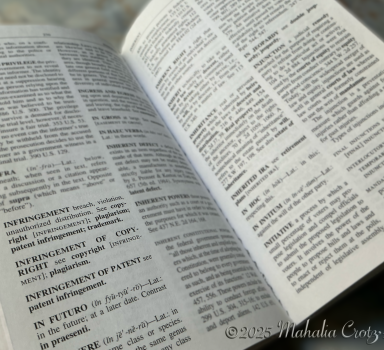
Infringement happens when someone uses your copyrighted work without permission in a way that violates your exclusive rights. These rights include the right to reproduce, distribute, display, perform, and create derivatives of your work.
Infringement isn’t always malicious. Sometimes it's ignorance. But intention doesn’t erase harm.
For example, if someone reposts your illustration without asking or licenses your design to a third-party without a contract, you may have a legal case for infringement. Understanding this term is your first shield—and knowing how to prove it is your sword.
Terms Every Artist Should Know cont...
A quick check-in:
- Your work doesn’t need to be registered to be protected.
- However, registration is what gives you the legal standing to pursue infringement damages in court.
We unpack this even further in our article Fair Use is Not a Free Pass, where we debunk the five most common myths around copyright misuse and lazy reuse.
Derivative: The “Remix” with Legal Strings
A derivative work is any new creation that’s based on an existing copyrighted work. Think of fan art, remixed music, movie sequels, or even art traced over a photograph. Not all derivatives are illegal—but they’re never automatically legal.
You need permission from the original copyright holder unless the original is in the public domain or your use qualifies under fair use (and even then, it is never guaranteed).
Some artists assume that if they “change it enough”, it’s legal. This is one of the biggest misunderstandings in the creative space. (See Warhol Foundation v. Goldsmith)
What doesn't make the cut
Changing the color palette, adding a new background, or redrawing the pose doesn’t automatically make your piece original in the eyes of the law. If your new work is substantially based on or recognizable from someone else’s protected piece, then it isn't a derivative—and possibly is infringing.
This directly connects to the conversation we started in Steal Like an Artist (responsibly), where we explore how creative borrowing can go from respectful homage to reckless theft if you don’t understand where the line is drawn.
Public Domain: The Safe Harbor (If You Know How to Navigate It)
Public domain refers to creative works that are no longer protected by copyright—or were never protected to begin with. These works can be used freely by anyone for any purpose.
This includes:
- Works published before 1929 (as of 2025)
- Certain U.S. government-created works
- Works explicitly placed into the public domain by their creators
But here's where many creatives get tripped up:
Just because something is online does not mean it's in the public domain. Also, if a modern artist redraws a public domain image or retypes an old poem, they may still protect that new version under copyright.
Always trace the source. Be sure the version you’re using is truly free to use.
Why These Terms Matter
You don’t need to be a lawyer to protect your creativity—but you do need to understand the language. Knowing these terms is like learning the street signs of your creative rights. Without them, you’re left guessing, vulnerable to others taking your work—or mistakenly stepping on someone else’s proverbiale toes.
And in a world where AI, digital sharing, and viral reposts blur the line between ownership and access, clarity is power.
You worked hard for your ideas. Let’s make sure they’re protected.
⟡ New to the series? Start with our foundational article “Steal Like an Artist: What they Don't tell you About Copycat Culture”, or go deeper into copyright law myths with “Fair Use Isn't a Free Pass”. ⟡
Creative Covenant
“My people are destroyed for lack of knowledge.” — Hosea 4:6, CJB
If we don't learn the words meant to protect us, we may surrender our birthright for exposure, praise, or convenience. But when we walk in knowledge, we walk in authority. Artists were never meant to beg for their rights—they were meant to steward them
About the Author
Mahalia Crotz-Kerbs is a visual artist, copyright advocate, and founder of MinkBerry™ Studio & Publishing. With a background in criminal justice, policy studies, and multimedia design, she brings an artist’s legal perspective to the world of creative rights. She writes from a Messianic Jewish lense with a heart for protecting artists and giving them a haven so that they will not hide their light under a bushel.